
Rocket Brain STEM

  • Home
  • Rocket Brain STEM
Shape Image One

Learn It. Build It. Take It Home.

Rocket Brain STEM is a progressive hands-on science, technology, engineering and mathematics program for ages 3 to 16 at Spark Logic Academy in Rochedale, Brisbane. Children move from early scientific discovery and hands-on building through engineering, coding, Python and artificial intelligence.

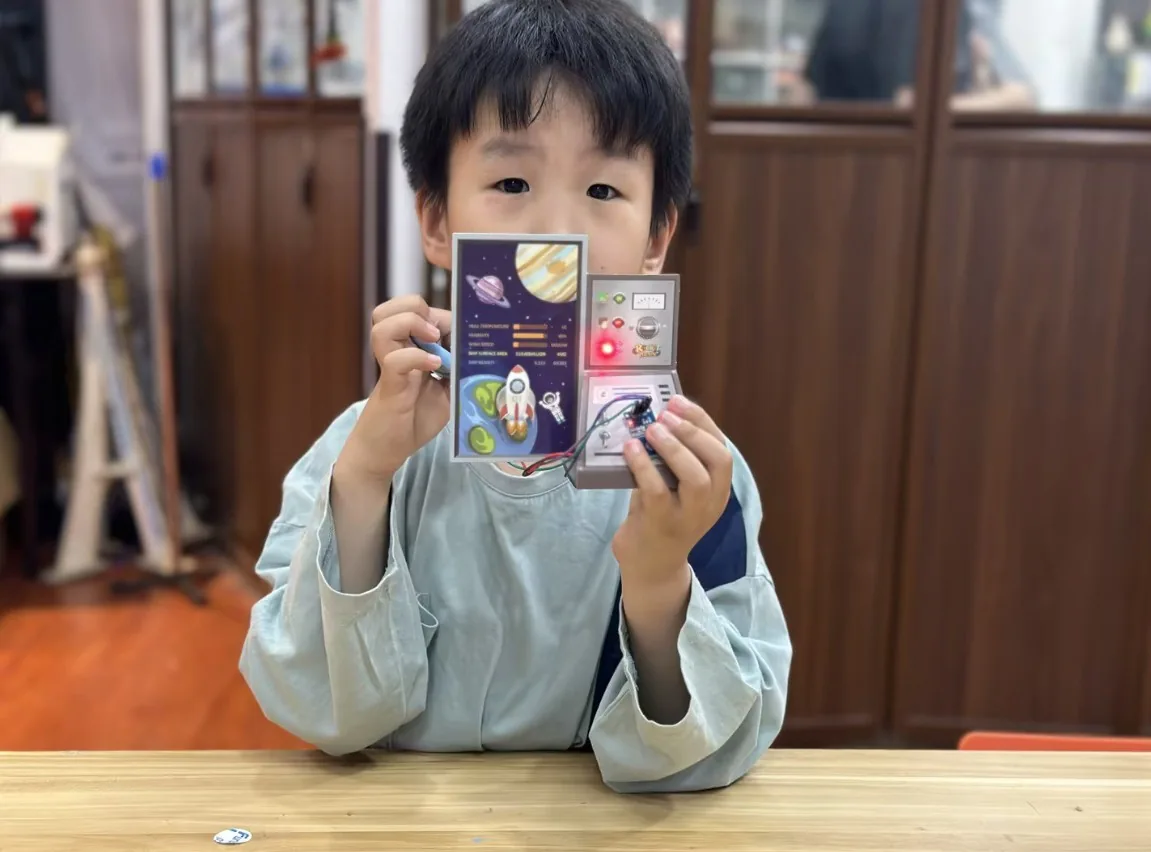
Child proudly showing the project they completed in a Rocket Brain STEM class

Hands-on projects, built and tested by children

Hands-OnReal projects, real tools
8 Students MaxPer class, more support
Ages 3 to 16Five progressive levels
RochedaleSpark Logic Academy

Program Levels

Five levels. One learning pathway from age 3 to 16.

Rocket Brain STEM is more than building. Children learn how things work, and each level builds on the one before. Find your child’s age below, then see what they explore and how they progress.

1

Level 1: Basic Leeuwenhoek

列文虎克基础班

Ages 3 to 51 hourGuided Inquiry

Program focus: Early STEM exploration

A playful first step into science. Children look closely, ask questions and discover how the world around them works, using their eyes, ears and hands. Lessons are guided, gentle and full of wonder.

  • Noticing and observing
  • Earth and the universe
  • Animals and weather
  • Light and sound
  • Magnetism and static electricity
  • Building with shapes
2

Level 2: Advance Leeuwenhoek

列文虎克进阶班

Ages 5 to 71.5 hoursProblem-Based Learning

Program focus: Everyday exploration through game-based learning

Children learn through problems and games. They build something, test it, watch what happens and work out why. Along the way they meet simple circuits, first sensors and moving parts.

  • Spatial building
  • Using different materials
  • Simple circuits
  • First sensors
  • Gears and moving parts
  • Astronomy
3

Level 3: Darwin

达尔文班

Ages 7 to 91.5 hoursBuilding logical thinking

Program focus: Starting to learn coding and skills development

This is where hands-on exploring starts to grow into logical thinking. Children build more complex machines, explore how air, water and electricity make things move, and begin thinking in the step-by-step way that coding needs.

  • Complex machinery
  • Air and water power
  • More advanced electricity
  • Wireless signals
  • Larger, more complex builds
  • Thinking like a coder
4

Level 4: Einstein

爱因斯坦班

Ages 9 to 111.5 hoursIndependent Research and Practice

Program focus: Advanced coding and creation

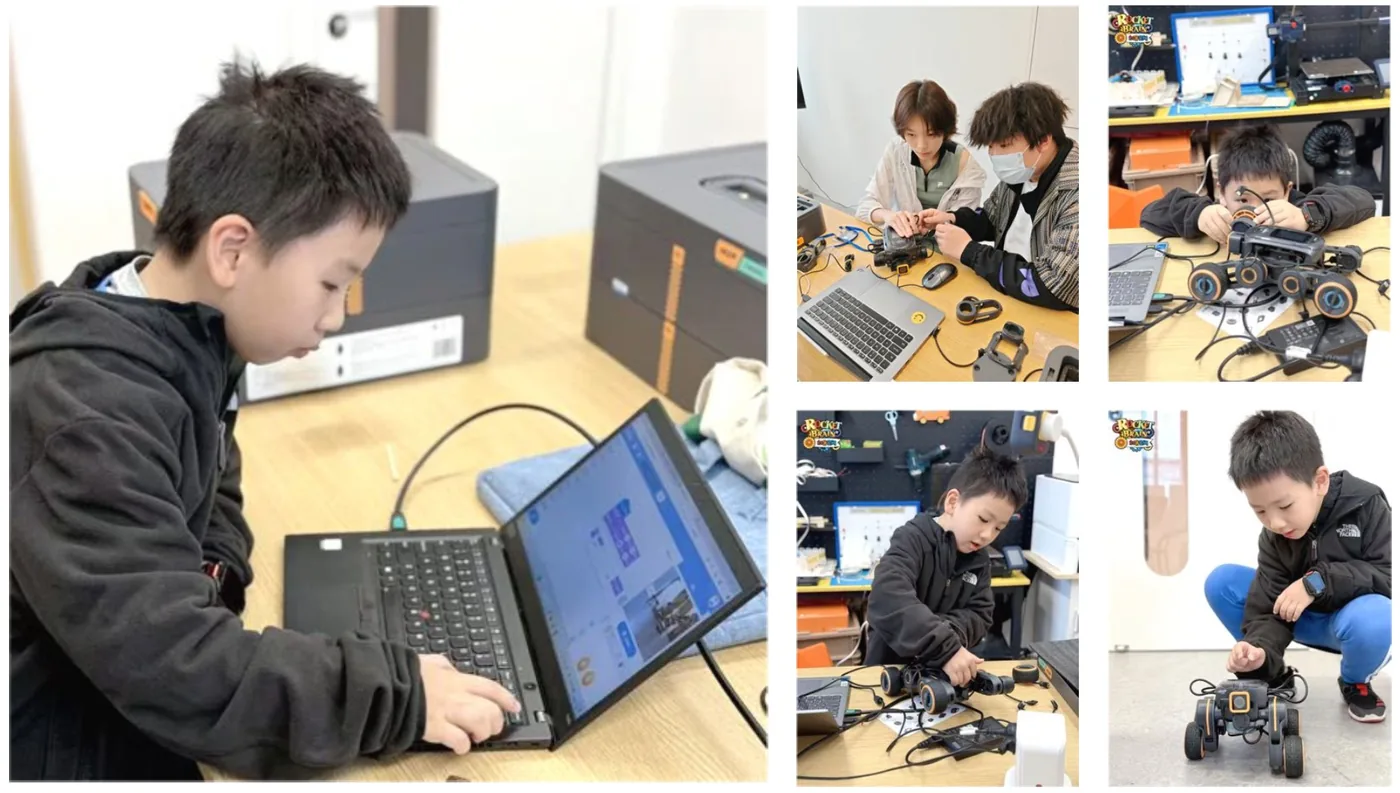
Children take more ownership of their projects, like young engineers. They plan and design, write code for hardware and software, test what works, improve it and research real questions.

  • Hardware programming basics
  • Software programming
  • Embedded devices
  • Design
  • Testing and improving
  • Research
5

Level 5: Curie

居里夫人班Most advanced stage

Ages 12 to 161.5 hoursProject-Based Learning and Application

Program focus: Python programming and application on devices

The most advanced stage of the pathway. Older students write real Python code, explore how artificial intelligence works and apply it in projects that run on real devices.

  • Artificial intelligence
  • Python programming
  • AI applications
  • Project-based learning
  • Real-world applications

Children begin by exploring scientific ideas, move on to building and experimenting, learn to think and solve problems, work independently as young engineers, and finish with advanced coding, AI and real-world projects.

Real experiments. Exciting discoveries. Growing confidence.

Age ranges are a guide. Our team will recommend the best starting level based on your child’s age, year level and experience. Not sure where to start? Ask our team.

Enquire About a Level

Want to explore the full Rocket Brain STEM curriculum?

Discover all five learning levels, real projects, STEM discoveries, videos and the Rocket Brain robot learning team on the dedicated Rocket Brain STEM website.

Explore Rocket Brain STEM → (opens in a new tab)

What Children Learn

Learning by doing. Understanding by discovering.

Children learn best when they can explore ideas for themselves. They observe what happens, understand the science behind it and apply it through practical challenges. Along the way they practise following instructions, thinking logically, testing ideas and explaining what they have discovered. The goal isn’t just to finish an activity. It’s to understand how and why it works.

Scientific observation & experimentation

Looking closely, asking questions, testing ideas and recording what really happens.

Engineering & construction

Planning, measuring, assembling and strengthening structures and mechanisms that work.

Technology, coding & circuits

Circuits and sensors in the early levels, then coding, Python and artificial intelligence as children progress.

Logical thinking & problem-solving

Breaking a challenge into steps, spotting what went wrong and working out how to fix it.

Creative design

Children make real design choices, so every project comes out a little different.

Test, improve & explain

Children test their creation, improve it and explain how it works.

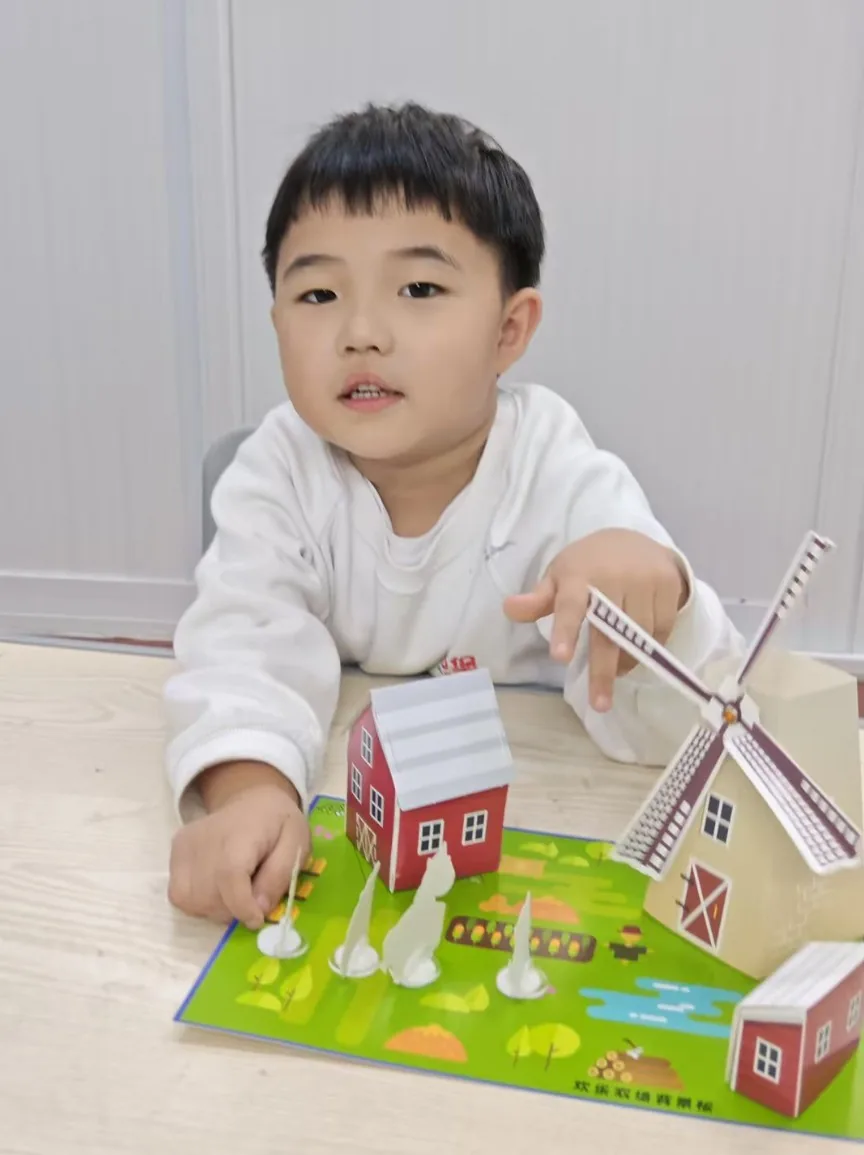
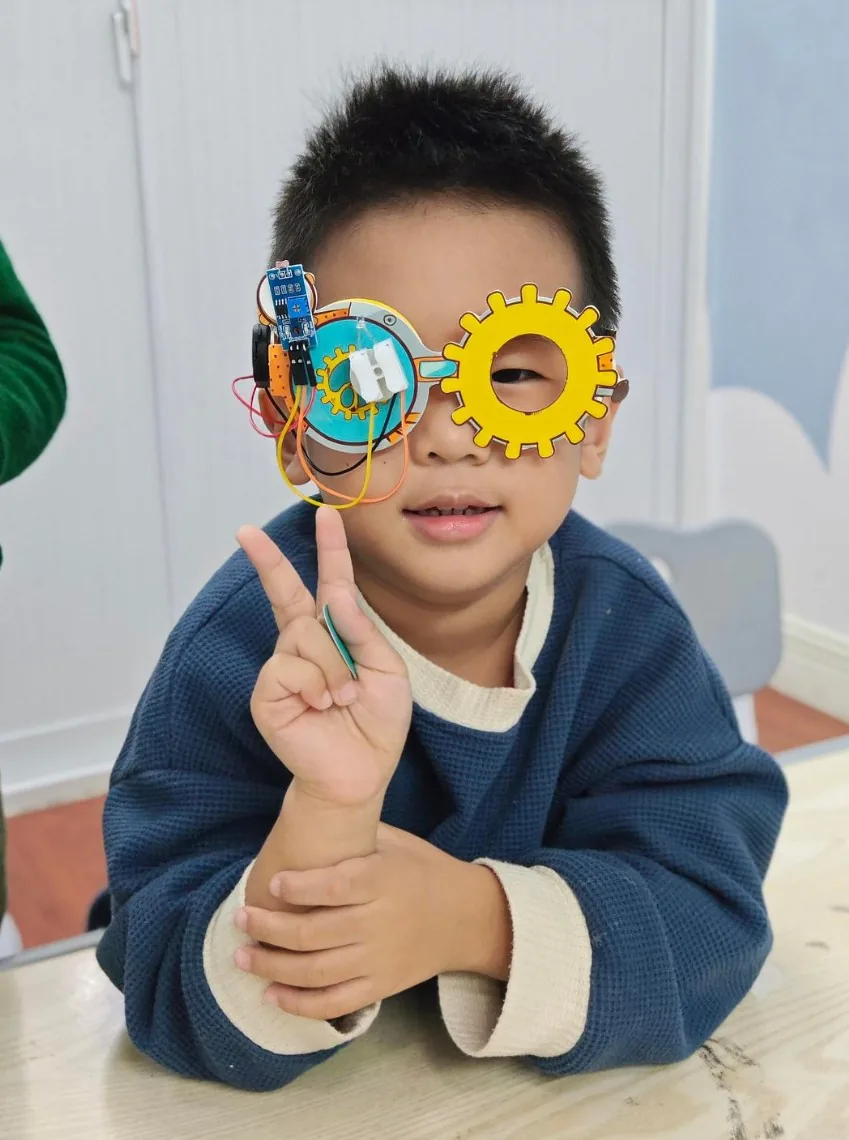
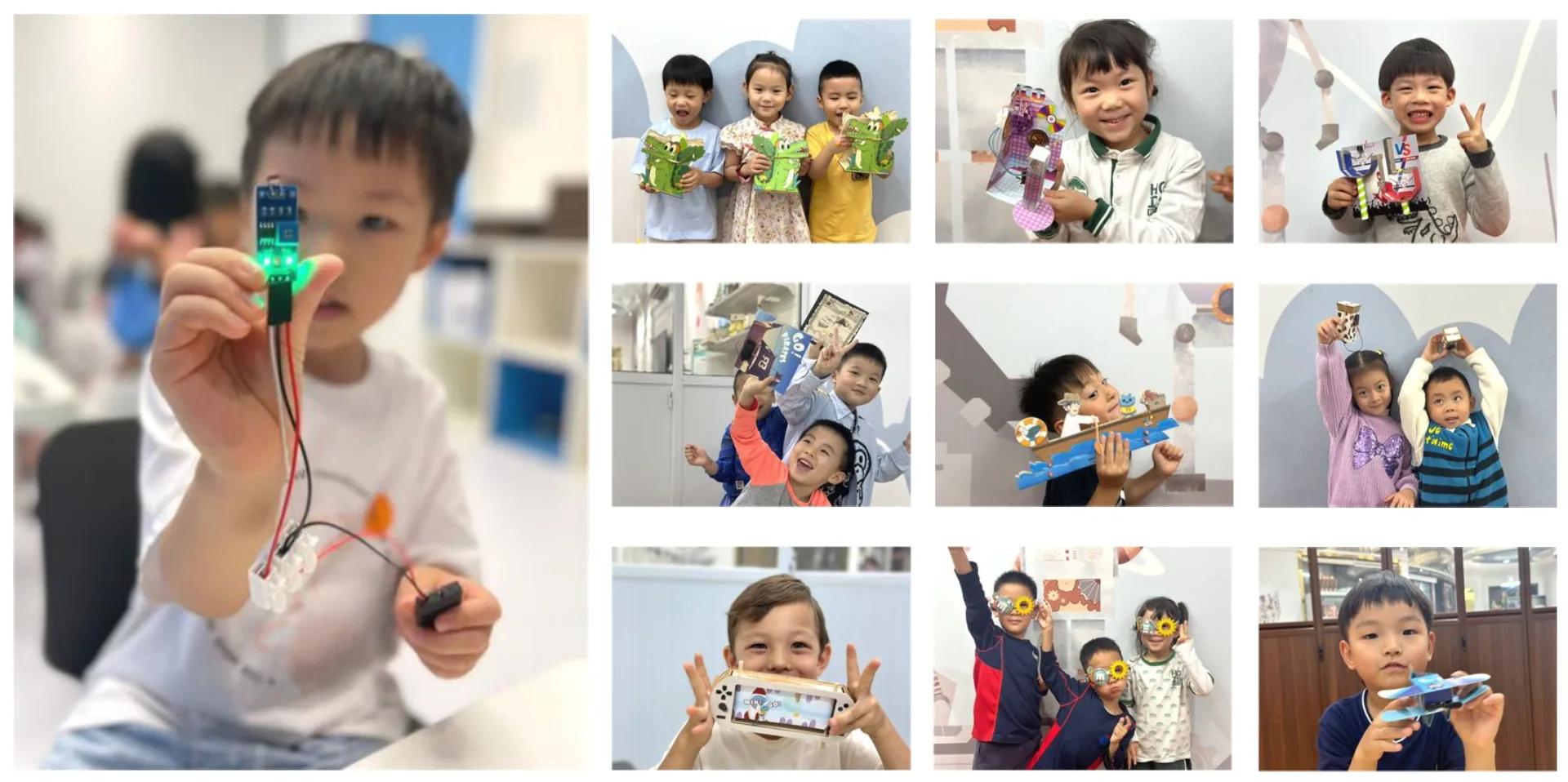
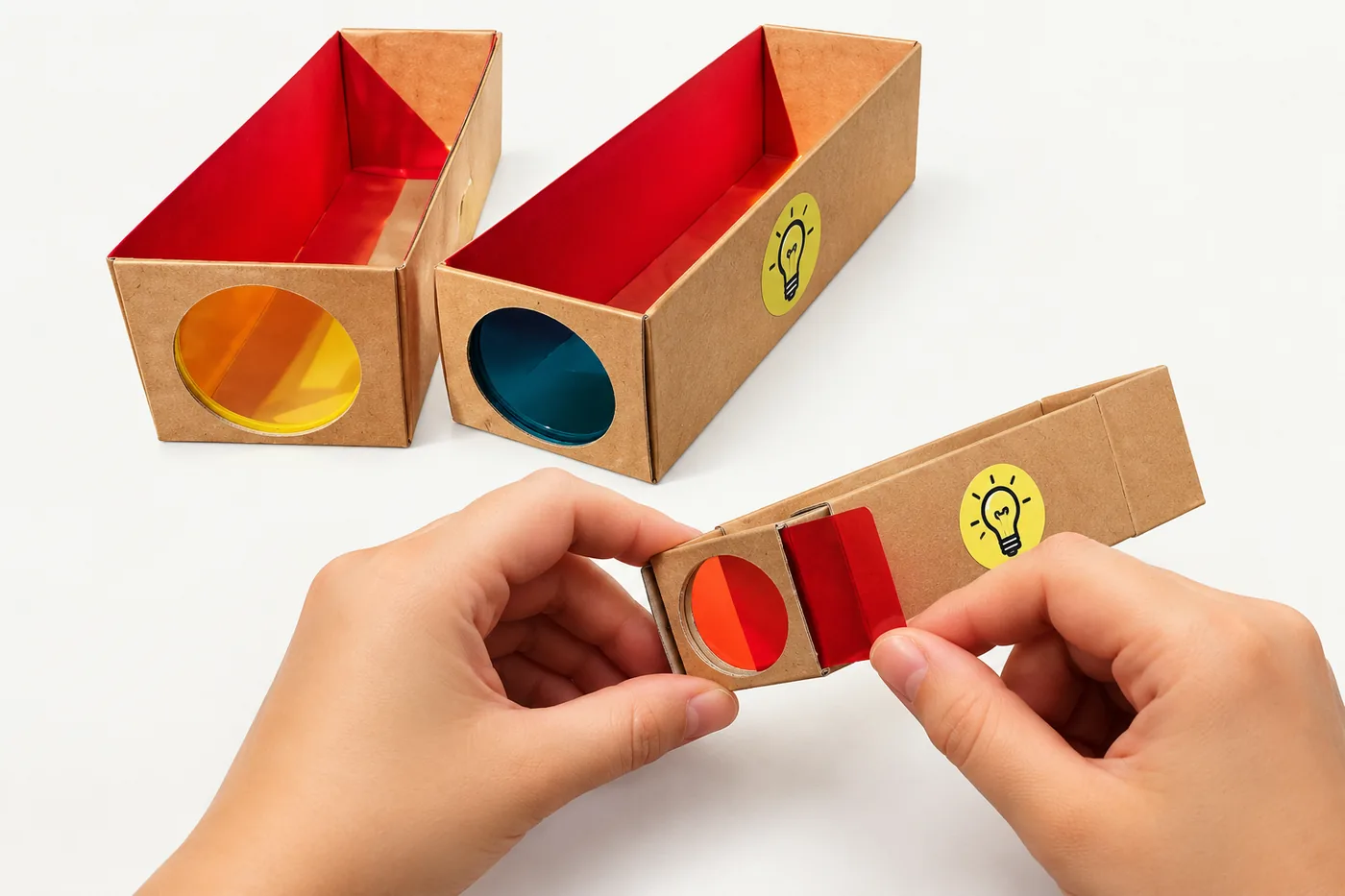
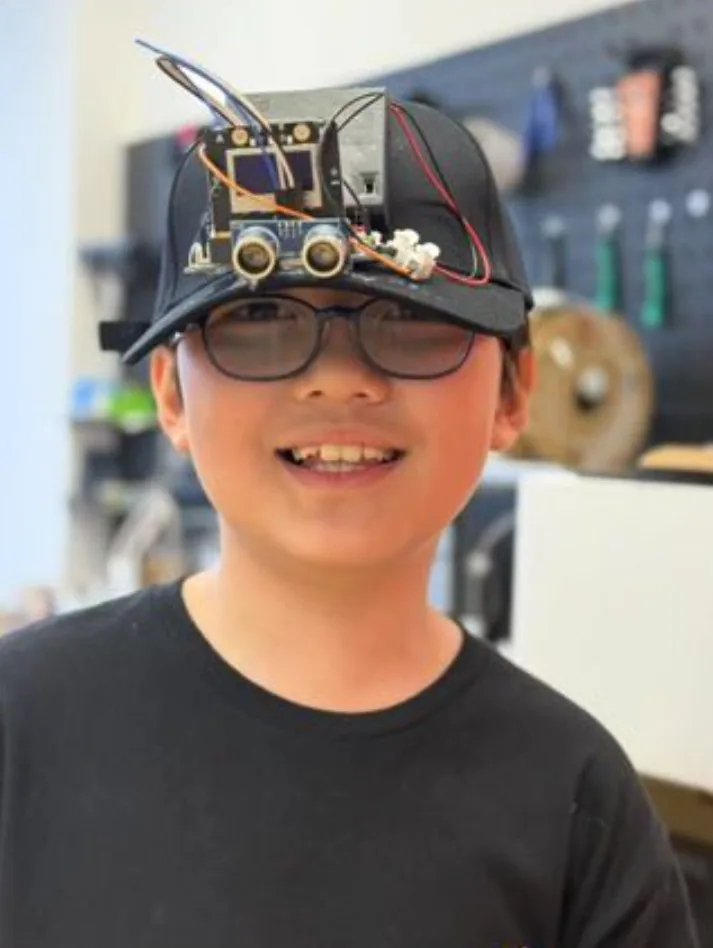
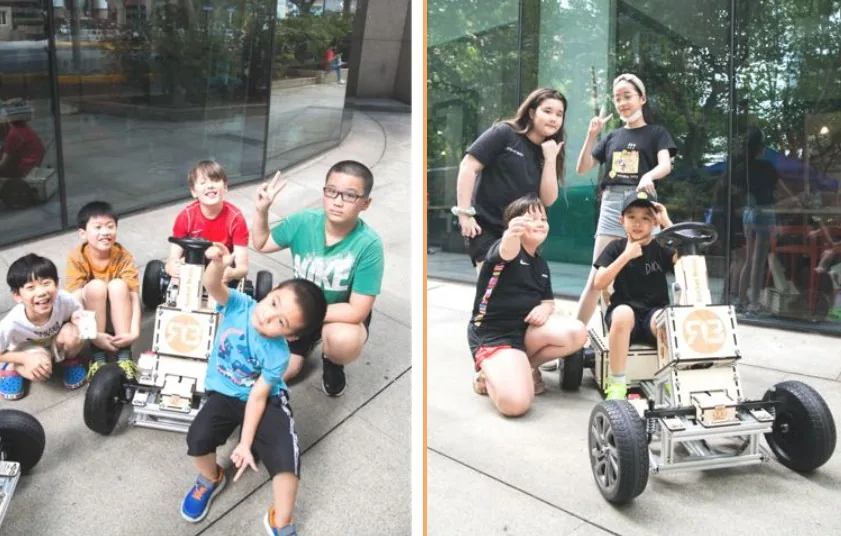
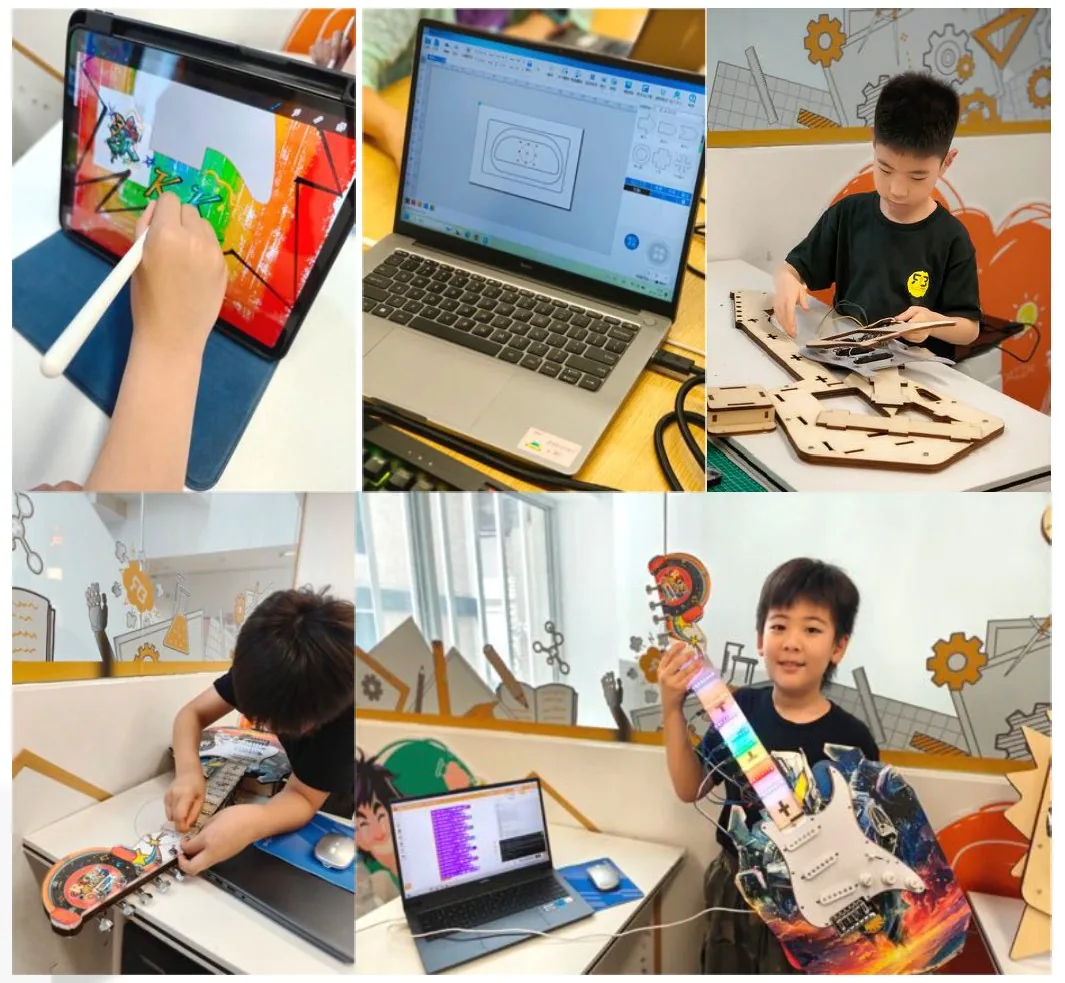
Completed model built by a child in a STEM session Child wearing the gear goggles they built in class Children holding the creations they built in Rocket Brain STEM sessions
Featured

From Classroom to Home

Children don’t just hear about science. They build it, test it and, where the project allows, carry their creation home to show the family.

  • 1Design & construct. Children plan their project and build it with real materials and tools, with teacher guidance.
  • 2Test & improve. Creations are tested with classroom equipment, then refined until they work.
  • 3Take it home. Where the project allows, children bring their creation home, ready to show the whole family what they’ve learned.

What’s Included

Everything they need to build

  • Practical, hands-on STEM activities in every session
  • Materials and equipment used during lessons
  • Teacher guidance and supervision throughout
  • Classroom testing equipment
  • Take-home creations where the project allows
Please note: batteries used for testing stay in the classroom. Take-home projects do not include batteries.

8

Limited to 8 Students Per Class

Small classes mean more hands-on support and more participation. Every child builds, tests and presents their own work.

How a STEM Session Works

Build. Explore. Discover. Create.

Children learn the idea first, then build it. Level 1 sessions run for 1 hour and Levels 2 to 5 run for 1.5 hours.

Step 1

Learn the idea

The teacher shows and explains the science or concept first, so children understand what they are about to build.

Step 2

Build it

Children put the idea into practice hands-on, with teacher guidance. This is the longest part of the lesson.

Step 3

Test & improve

Creations are tested with classroom equipment, then adjusted until they work.

Step 4

Recap & tidy up

Children share what they discovered and explain how it works, then tidy up together. Creations come home where the project allows.

Why Hands-On

The benefits of hands-on STEM learning

Knowledge that sticks

Concepts children build with their hands are understood, not just memorised.

Confidence through making

Finishing a working creation builds real confidence.

Resilient problem-solvers

When a build fails, children learn to work out why, adjust it and try again. That habit serves them everywhere.

Communication skills

Explaining and demonstrating their creation teaches children to present ideas clearly.

Parent FAQs

Questions parents ask us

What is Rocket Brain STEM?

Rocket Brain STEM is a progressive hands-on science, technology, engineering and mathematics program for ages 3 to 16 at Spark Logic Academy in Rochedale, Brisbane. Children move from early scientific discovery and hands-on building through engineering, coding, Python and artificial intelligence, learning by building, testing, solving problems and presenting ideas.

How many children are in each class?

Classes are limited to 8 students. Small classes mean every child gets real hands-on time, more teacher support and more opportunities to participate.

Will my child take their creations home?

Where the project allows, yes. Children bring home what they have built so they can show the family. Batteries used for classroom testing are not included with take-home projects.

Which level is right for my child?

Rocket Brain STEM has five levels. Level 1 is for ages 3 to 5 and runs for 1 hour. Levels 2 to 5 run for 1.5 hours: Level 2 is for ages 5 to 7, Level 3 for ages 7 to 9, Level 4 for ages 9 to 11 and Level 5 for ages 12 to 16. Age is a guide. Tell us your child’s age, year level and experience and our team will recommend the best starting level.

Do we need to bring any materials or tools?

No. All materials and equipment used during lessons are provided, including the classroom testing equipment. Children just bring their curiosity.

How much does the program cost?

Please contact our team for current fees, packages and availability. We will also help you choose the right level before you enrol.

Can my child try a STEM class before enrolling?

Yes. STEM students can attend one full class trial. Please contact our team and we will confirm current availability before anything is booked.

Is my child safe using tools and equipment?

Every session is run with teacher guidance and supervision, age-appropriate projects and classroom-managed testing equipment.

Ready to find the right Rocket Brain STEM level for your child?

Tell us your child’s age and year level and our team will help recommend the most suitable starting level and current class availability. Classes are limited to 8 students.

info@sparklogicacademy.com.au  ·  WhatsApp 0494 719 869  ·  Spark Logic Academy, 11 Lorisch Way, Rochedale QLD