
Can You Solve This Maths Puzzle? Most Adults Get It Wrong
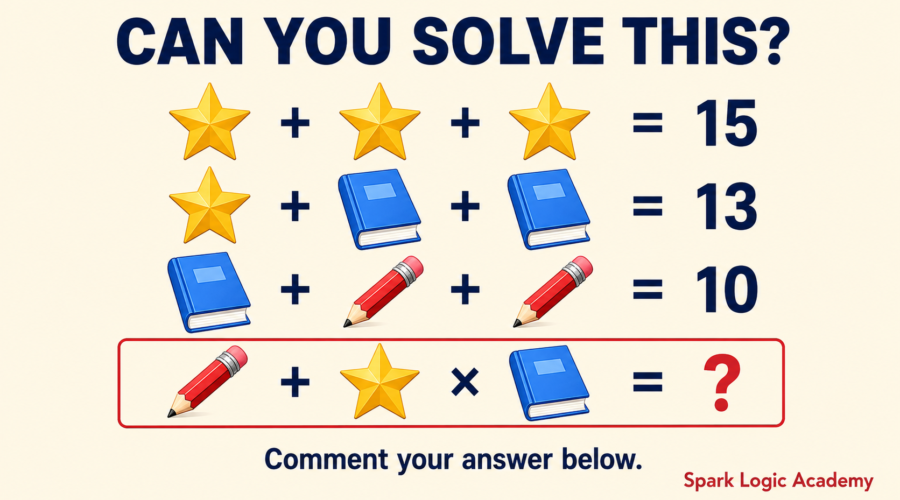
Can you solve this symbol maths puzzle? Most people answer 32. The correct answer is 23. Here is the concept behind it and why it matters.
Your child comes home with a result that does not reflect the work they put in. You can see it in their face before they hand it over. What you say in the next five minutes shapes how they approach every test that follows. Most parents reach for one of three responses: disappointment, comparison, or
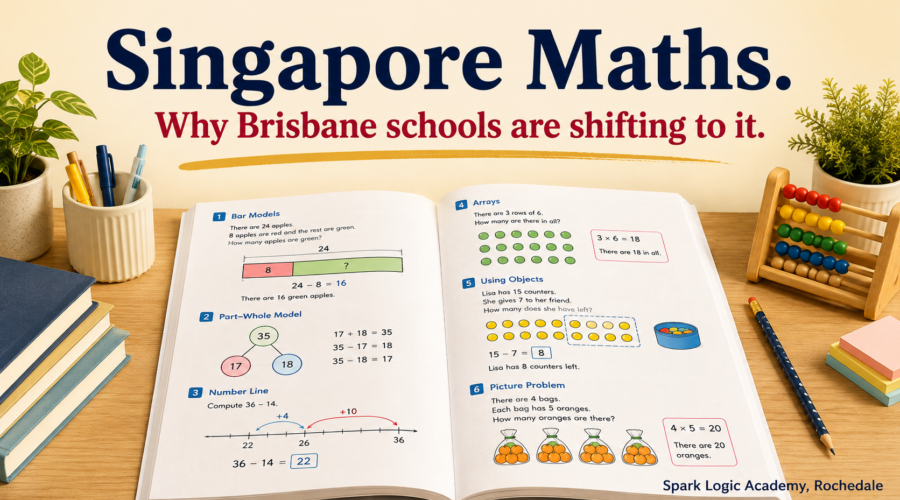
Your child sits down to do their maths homework and pulls out a method you do not recognise. Bar models. Number bonds. Arrays made from dots. It looks nothing like the column method or the times tables drills you remember from school. This is Singapore Maths. And the reason it looks different is not because
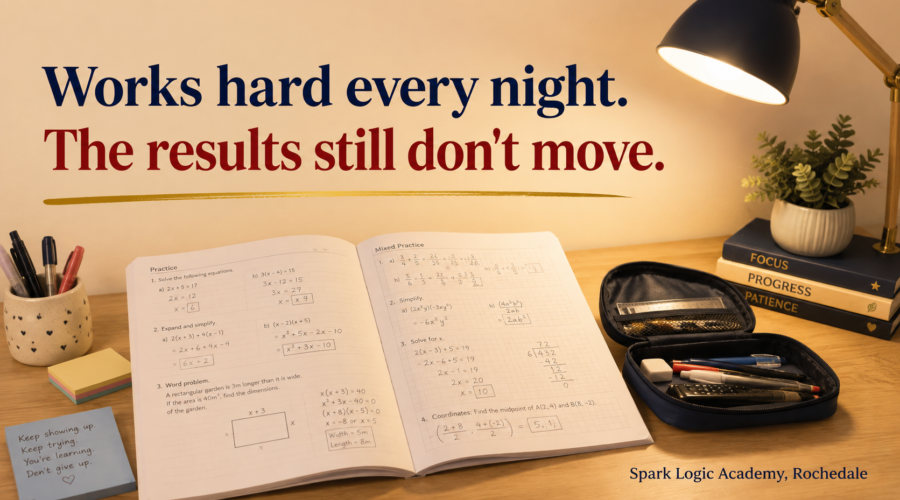
Your child is at that desk every night. Not distracted, not avoiding the work. Genuinely trying. And between one term and the next, between one test and the one that follows, the results do not move. This is one of the most exhausting patterns parents describe, because there is nothing obvious to fix. The child
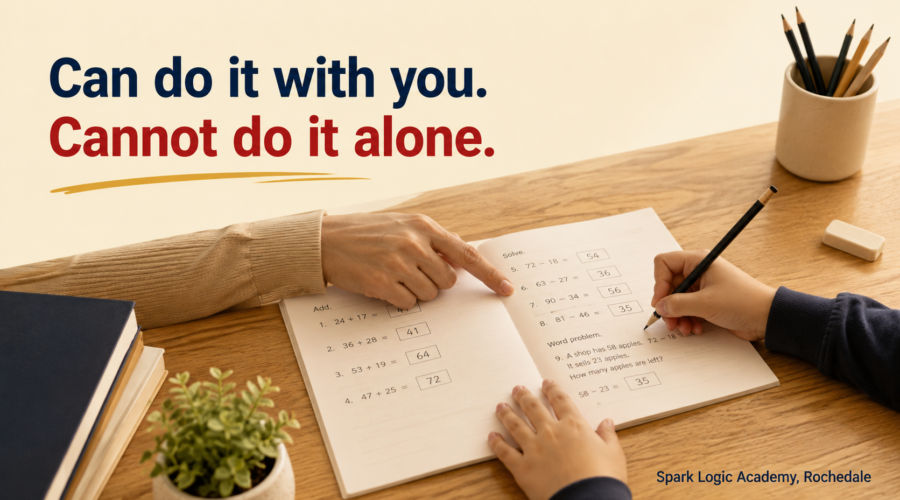
Your child gets every homework question right when you are sitting beside them. The next day, working alone, they cannot start. This guide explains the gap between supported and independent working, why it happens, and what it means for how a child will perform in a test.
Your child picks up a book and reads every word out loud. No stumbles, no hesitation, no requests for help. You think: they can read. They are doing well. But fluent reading and reading comprehension are two completely different skills. A child can master one without the other, and the gap between them is one
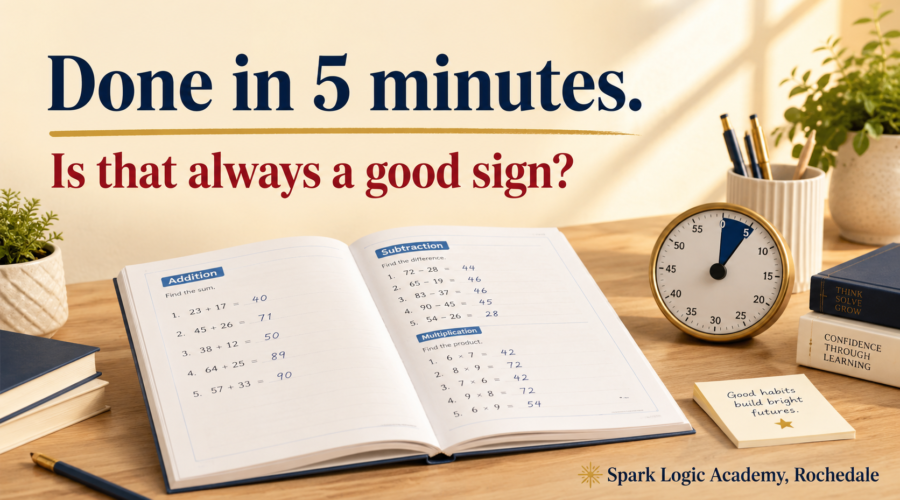
Your child sits down, the homework is done in five minutes, and there are no complaints. This guide explains why fast homework completion is often a warning sign rather than a reassurance, and what it usually tells you about where your child’s real level actually sits.
A few patterns that suggest a child may be working with supported understanding: They need the question rephrased before they can start If a child consistently asks for questions to be explained differently before they can attempt them, they may be relying on the rephrasing as a cue to trigger their response. On a test,
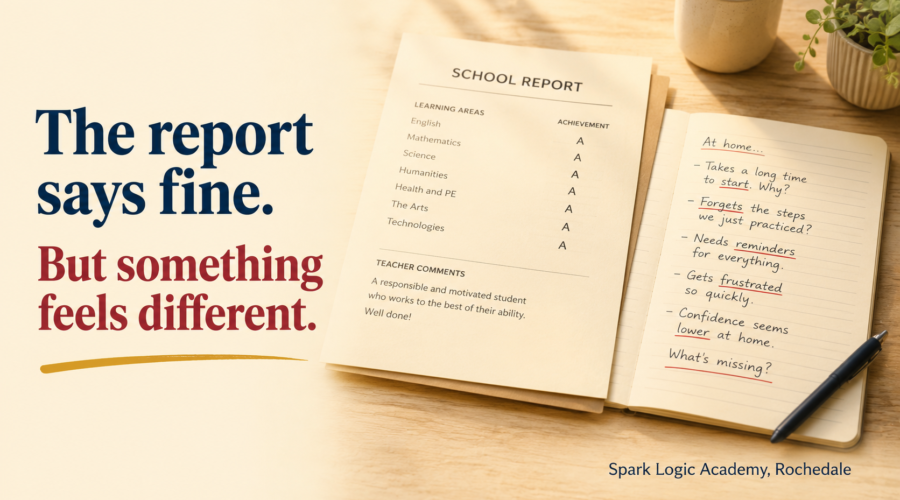
The teacher says there is nothing to worry about. The grades are passing. The reports are positive. But you see something at home that the teacher does not. This guide explains why that gap exists and what to do when your instinct tells you something is not right.