

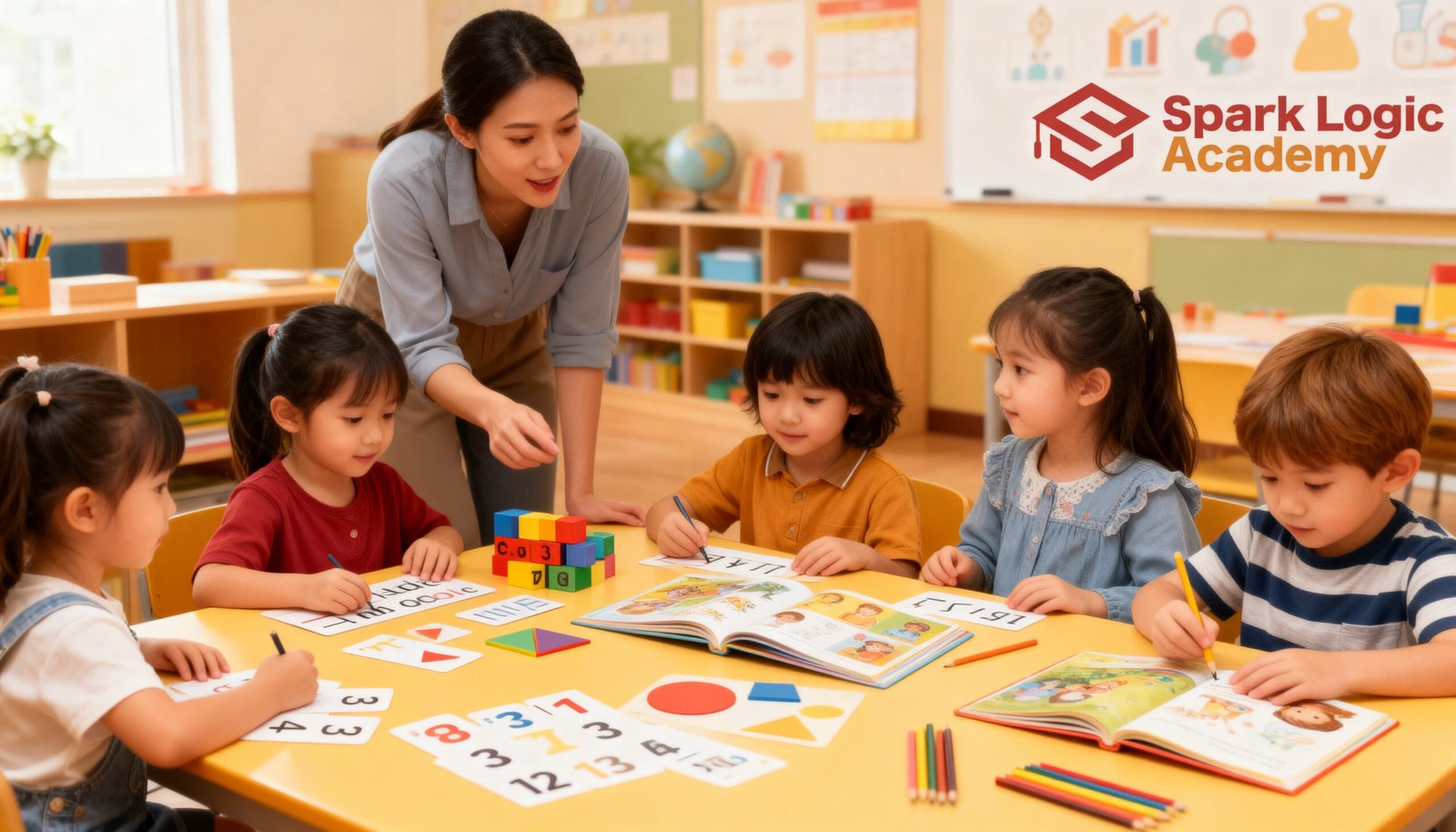
School readiness before Prep is not only about knowing letters and numbers. Children also need confidence, communication skills, listening skills, early problem-solving ability and the ability to participate in simple classroom routines.
For many Brisbane families, the transition from kindy or home learning into Prep can feel exciting but also stressful. Parents often wonder whether their child is ready, what skills matter most, and how to support them before school begins.
At Spark Logic Academy in Rochedale, our Pre-Prep Bridging Course supports children aged 3–5 with early phonics, maths foundations, logical thinking, communication and school-readiness confidence.
School readiness means a child has the basic skills, confidence and habits to take part in a classroom environment. It does not mean a child must be perfect at reading, writing or maths before starting Prep.
Instead, school readiness is about helping children feel prepared to listen, try, communicate, follow routines and engage with learning activities.
Every child develops differently. Some children are confident socially but need support with early literacy. Others know numbers but find it hard to sit, focus or follow multi-step instructions. A good school-readiness program supports the whole child, not just academic skills.
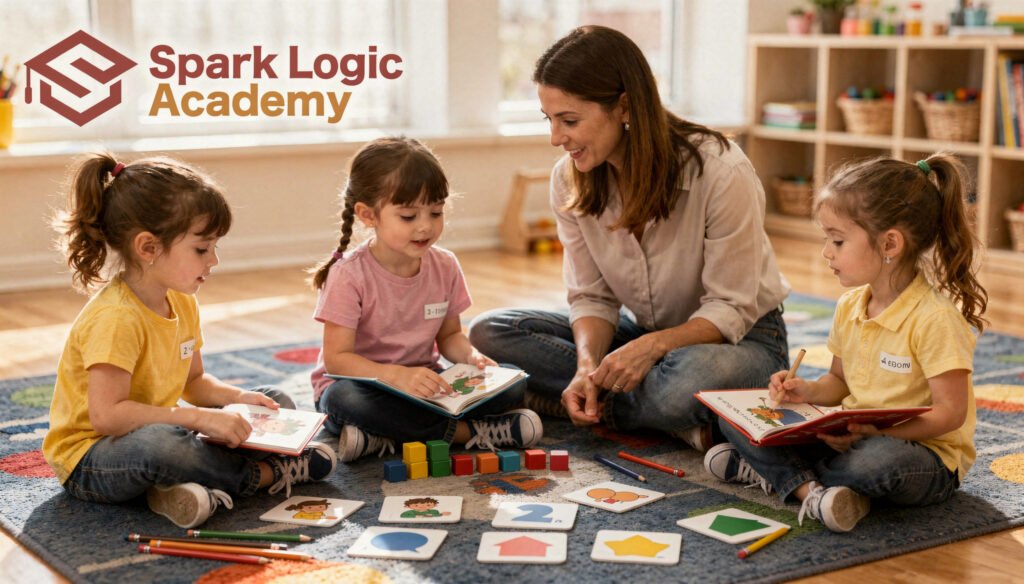
Confidence is one of the most important school readiness skills. A child who feels comfortable in a learning environment is more likely to try new tasks, ask questions and recover when something feels difficult.
Small-group learning can help children practise this confidence gradually. They learn to sit with other children, listen to a teacher, complete short tasks and feel proud of small achievements.
In Prep, children need to follow classroom instructions such as packing away, moving to a new activity, listening during group time and completing simple tasks.
Before school starts, children can practise listening through activities such as:
These skills make the classroom transition much smoother.
Children do not need perfect language skills before Prep, but they should be encouraged to express basic needs, ask for help and answer simple questions.
Communication skills help children participate in class, build friendships and feel safer in a new environment. A child who can say “I need help” or “I don’t understand” is better prepared for school learning.
Phonics is an important early reading foundation. Before Prep, children may begin recognising letter sounds, hearing differences between sounds and connecting sounds with simple words.
Early phonics does not need to be stressful. It can be introduced through songs, picture books, sound games, alphabet cards and playful activities.
Parents who want extra support with early reading foundations may also explore our Phonics program for children aged 3–5.
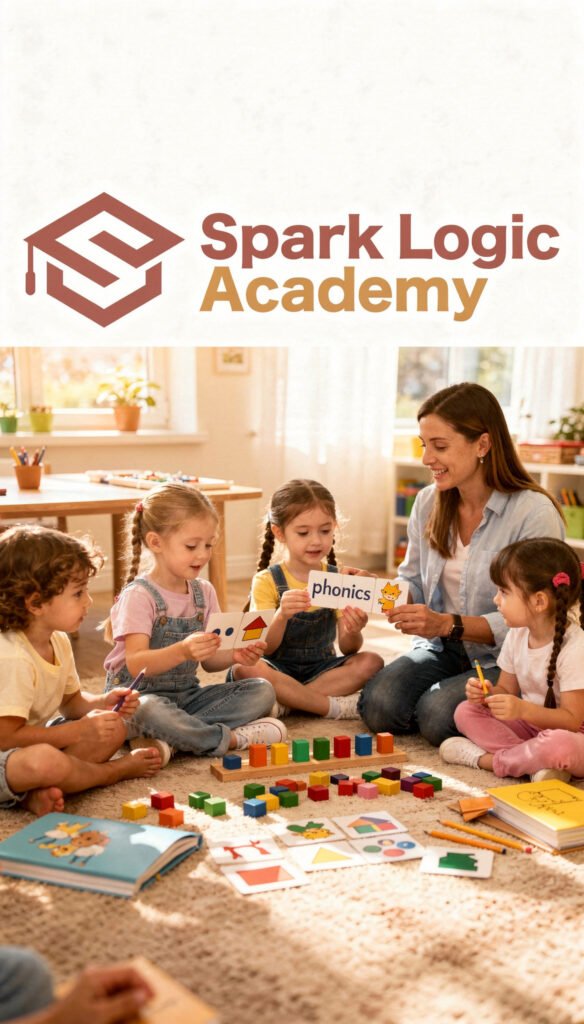
Early maths before Prep is not only counting. Children benefit from recognising numbers, comparing sizes, sorting objects, matching shapes and noticing patterns.
These early maths activities help children build number sense and confidence before formal school maths begins.
Examples of helpful early maths skills include:
Logic and problem-solving help children think more clearly. These skills support maths, reading, science and everyday learning.
Young children can develop logic through puzzles, mazes, matching games, sequencing, shape activities and simple “what comes next?” questions.
For children aged 3–5, Spark Logic L1 and Spark Logic L2 are designed to support early reasoning, patterns, shapes, spatial thinking and problem-solving.
Prep involves many routines. Children may need to pack their bag, follow a timetable, transition between activities, care for belongings and complete tasks with increasing independence.
Before school starts, children can practise independence through small daily habits such as packing a lunchbox, putting away toys, carrying their own bag and following simple routines at home.
These habits help children feel more capable when they enter a classroom environment.
Parents can support school readiness through simple daily activities. Reading together, counting objects, playing sorting games, asking questions and encouraging independence can all help.
Try to keep learning positive. Children build stronger confidence when they feel safe to make mistakes and try again.
For broader parenting and early learning information, families can also visit the Raising Children Network guide to starting school.
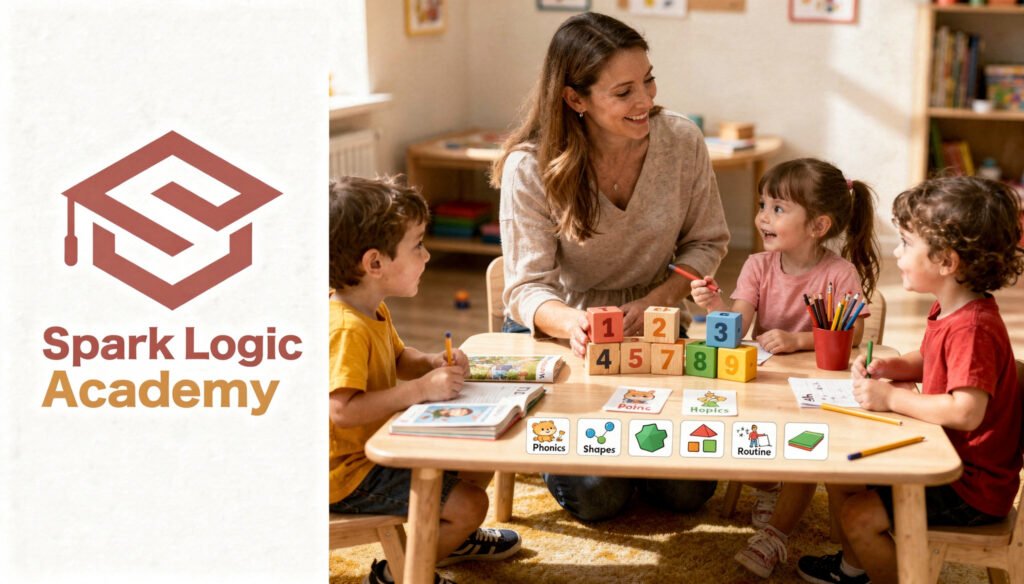
If your child is aged 3–5 and you want help preparing for Prep, the Pre-Prep Bridging Course may be a suitable starting point.
Our team can help recommend the right program based on your child’s age, confidence, communication skills and learning goals.
You can also view all Spark Logic Academy programs or contact us with questions before booking.
Not sure where to start?
Book a Trial Assessment Ask a Question








Your information will never be shared with any third party